
 EN
EN
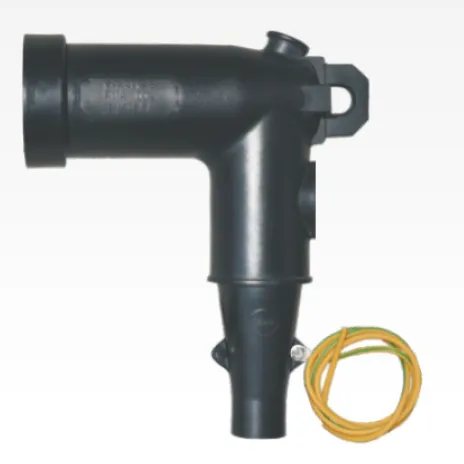
Mashine ya kushirikiana ya mifumo ya ubunifu wa umeme ni sehemu muhimu katika mifumo ya usambazaji wa nguvu ya umeme ambayo inawezesha uunganisho wa kila kipindi cha mifumo ya kuchanganya bila kuharibu utendaji wa umeme na viwajibikaji vya usalama. Vifaa hivi muhimu vinatumika kama daraja kati ya sehemu za mifumo ya kuchanganya, kuhakikisha mtiririko wa kudumu wa nguvu katika mitambo ya kutumika chini ya ardhi, mifumo ya viwanda, na mitambo ya mji ya nguvu. Kuelewa mfumo wa sheria unaouwajibika kufanya kazi ya uzalishaji wake ni jambo la muhimu sana kwa wataalamu wa uhandisi, wafanyabiashara, na mashirika yanayotumia miundombinu ya umeme yenye uhakika.
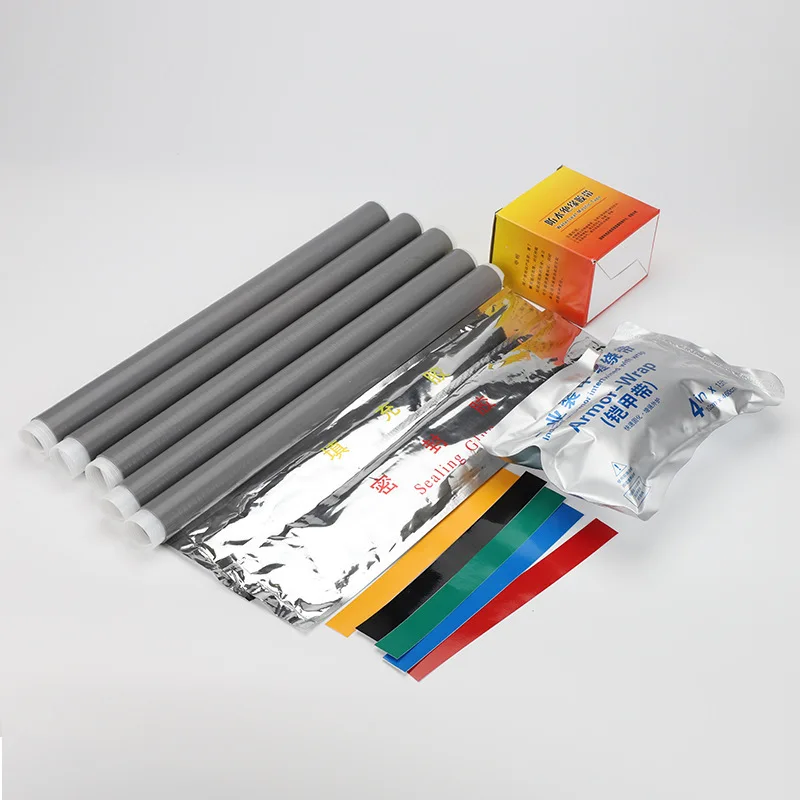
Standards za uzalishaji kwa vifungo vya kati ya mifumo ya kuchanganya mizizi ya umeme zimeundwa na mashirika ya kimataifa, mamlaka ya taifa ya udhibiti, na makundi ya sekta ili kuhakikisha ubora wa kudumu, utendaji wa usalama, na uwezekano wa kufanya kazi pamoja katika masoko ya kimataifa. Standards hizi zinazofaa zinahusu maelezo ya vitu, mahitaji ya ubunifu, mbinu za kujaribu, na taratibu za kuhakikisha ubora ambazo wazalishaji wanapaswa kufuata ili kuzalisha bidhaa zenye ubunifu. Mazingira ya udhibiti inajumuisha nguzo mbalimbali za usimamizi, kutoka kwa mahitaji ya msingi ya usalama hadi mekame ya utendaji ya juu yenye uhusiano na kiwango cha voltage tofauti na hali za mazingira.
Standards za Kamati ya Umeme ya Kimataifa
Safu ya IEC 60502 kwa Vifungo vya Mizizi ya Umeme
Komisheni ya Kimataifa ya Uhandisi wa Umeme inaamini viwango vya msingi vya uzalishaji wa muunganisho wa kati wa mifumo ya kuchanganya kwa kutumia mfululizo wa IEC 60502, ambao unahusu wakati huo mifumo ya kuchanganya ya nguvu na visambazaji vyao kwa volti zilizopewa kutoka kwa 1 kV mpaka 30 kV. Viwango hivi vya kina vinaeleza sifa muhimu zinazohitajika katika kila muunganisho wa kati wa mifumo ya kuchanganya, ikiwemo mahitaji ya utendaji wa umeme, vipengele vya nguvu ya kimwili, na vitengo vya uwezo wa kujikali dhidi ya mazingira. Wakuzalia wana hitaji la kuthibitisha kuwa wamefuata viwango hivi kupitia mbinu za kujaribu kwa makini ambazo zinathibitisha uwezo wa kuzuia umeme, kiwango cha uchafuzi wa sehemu, na utendaji wa mabadiliko ya joto.
Standadi ya IEC 60502 pia inaweka mahitaji maalum kwa vitu vilivyotumiwa katika ujenzi wa muunganisho wa kati wa mifumo ya kuchanganya, ikiamuru matumizi ya mikutano ya kuzima iliyoidhinishwa, vitu vya kusambaza umeme, na makabati ya kulinda. Mahitaji ya vitu hivi yana uhakika kwamba muunganisho uliojengwa unaweza kubeba mashariki ya umeme, mabadiliko ya joto, na uwajibikaji wa mazingira ambayo ni ya kawaida katika matumizi ya usambazaji wa nguvu. Mchakato wa udhibiti wa ubora ulioelezewa katika standadi hii unahitaji watoa huduma kutekeleza miradi ya kujaribu yanayofaa ili kuthibitisha utendaji wa sehemu binafsi na utendaji wa muunganisho wote.
Standadi ya IEC 62067 kwa Matumizi ya Nguvu Kuu
Kwa matumizi ya voltage ya juu zaidi, standard ya IEC 62067 inasimamia uzalishaji wa muunganisho wa kati wa mifumo ya kabeli kwa mfumo inayofanya kazi juu ya 30 kV. Standard hii ya juu inajumuisha mahitaji ya utendaji yanayotaka zaidi, ikiwemo usimbamko bora zaidi wa uburudishaji, upungufu bora zaidi wa uwezekano wa kutokana na uvurudishaji wa sehemu, na vipengele vya nguvu ya kimwili vya juu zaidi. Mchakato wa uzalishaji ulioelezwa katika IEC 62067 unahitaji mbinu maalum za uzalishaji, mchanganyiko ya vitu vya kisasa, na mchakato mrefu wa uhakiki wa ubora ili kuhakikisha uendeshaji bora katika mazingira ya voltage ya juu yenye changamoto.
Utekelezaji wa IEC 62067 unahusisha mtihani wa aina kamili ambao unatumia utendaji wa muunganisho wa mifumo ya kabeli katika hali za kizima, ikiwa ni pamoja na mtihani wa dhishu ya wimbi la mafuriko, mtihani wa kubaki kwa mzunguko wa umeme, na tathmini za ukuwepo muda mrefu. Watoa huduma wanapaswa kuhifadhi taarifa zilizotengenezwa kwa makini kuhusu mchakato wao wa uzalishaji, chanzo cha vitu vya kujenga, na hatua za udhibiti wa ubora ili kuthibitisha utekelezaji wa muda mrefu wa viwango hivi vya kikali. Mchakato wa uthibitisho unahitaji kawaida uthibitisho wa mtandaoni mwingine na ukaguzi wa kufuatilia kila wakati ili kuhakikisha kuendelea kufuata mahitaji ya kiolezo hiki.
Mifumo ya Kudhibiti ya Kitaifa na ya Mikoa
Viashiria vya IEEE Amerika Kaskazini
Amerika Kaskazini, Taasisi ya Wataalam wa Uhandisi wa Umeme na Uhandisi wa Elektroniki inatoa viwango vya kujumuisha vinavyoongoza uzalishaji wa muunganisho wa katikati ya mifumo ya kuchanganya, hasa IEEE 404 ambayo inahusu muunganisho na mwisho wa mifumo ya usambazaji wa nguvu. Viwango hivi vinaunda vigezo maalum vya utendaji vilivyopangwa kwa matumizi ya Amerika Kaskazini, ikiwemo hali za mazingira ya kipekee, njia za kusakinisha, na mahitaji ya uendeshaji. Mfumo wa IEEE unadhihirisha matumizi ya kawaida katika eneo la kazi na linajumuisha maelekezo ya kina juu ya taratibu za kusakinisha ambazo zinaweza kuathiri utendaji na uendelevu wa muunganisho.
Viashiria vya IEEE pia vina jinsi maalum za kujaribu na kuthibitisha muunganisho wa mitambo ya kabeli ambayo inaonyesha mazoea ya kazi ya mashirika ya umeme ya Kaskazini Amerika. Viashiria hivi vinaagiza watoa huduma kudhihirisha utendaji chao katika mazingira yanayotokana na mfumo wa umeme wa Kaskazini Amerika, ikiwemo vikomo vya joto, kiwango cha unyevu, na uwepo wa uchafuzi. Kufuata viashiria vya IEEE mara nyingi huagiza majaribio zaidi kuliko mahitaji ya msingi ya IEC, hasa kwa muunganisho inayotumika katika mazingira magumu ya mazingira au matumizi ya miundombinu muhimu.
Viashiria vya Ulaya na Mahitaji ya Alama ya CE
Wafanyabiashara wa Ulaya wa bidhaa za muunganisho ya kati ya mifumo ya kabeli lazima kufuata viwajibiko vya EN ambavyo vinafungua mahitaji ya IEC pamoja na viwajibiko maalum vya Umoja wa Ulaya, ikiwa ni pamoja na Mwelekeo wa Umeme wa Chini na Kanuni ya Bidhaa za Ujenzi. Viwajibiko hivi hiongeza mahitaji ya usalama, vitengo vya utendaji wa kiuchumi, na wajibu wa kuumia ambavyo huathiri taratibu za uzalishaji na uwasilishaji wa taarifa za bidhaa. Mchakato wa kuumia CE unahitaji taarifa za kifedha zinazotofautiana ambazo zinasisitiza kuwa imefuata viwajibiko vyote vya Ulaya vinavyohusika na miongozo.
Viashiria vya Ulaya pia hukusudia ustawi wa mazingira na mambo ya mwisho wa maisha kwa uzalishaji wa mishakani ya mitambo ya kuvuruga, ikikwamisha wazalishaji kushughulikia uwezekano wa kurekodi vitu, kuzuia matumizi ya vitu vya hatari, na ufanisi wa nishati katika mchakato wao wa uzalishaji. Utekelezaji wa taratibu za REACH unahusiana na chaguzi za vitu na uthibitisho wa watoa huduma, wakati taratibu za RoHS zinazui matumizi ya baadhi ya vitu vya hatari katika mchakato wa uzalishaji. Mahitaji haya ya kina yana uhakika kwamba bidhaa za mishakani ya mitambo ya kuvuruga zinakidhi malengo ya utendaji na ya mazingira kote katika muda wao wa maisha.
Viashiria vya Vitu na Mchakato wa Uzalishaji
Mahitaji ya Vitu vya Kupanga
Viashiria vinavyoongoza uuzaji wa muunganisho wa kati wa mifumo ya kuchanganya huweka maelekezo ya kina kuhusu vitu vya kuvunja umeme, ikiwemo polyethylene iliyofanana, kautchuki ya ethylene propylene, na mikutano ya silicone inayotumika katika ujenzi wa muunganisho. Viashiria hivi vya vitu huvitambulisha sifa za umeme kama vile nguvu ya kuvunja umeme, upinzani wa kiasi, na sifa za kuvunja umeme ambazo zinatumika moja kwa moja kwenye utendaji wa muunganisho. Viashiria vya uuzaji hutoa amri ya kufanya majaribio ya vitu yote na mchakato wa kuthibitisha ili kuhakikisha kwamba vitu vya msingi vinakidhi viashiria vya utendaji kabla ya kutumika katika uzalishaji.
Viashiria vya udhibiti wa ubora wa vitu vya kuzima pia hufafanua sifa za joto, upinzani wa kemikali, na sifa za kiashiria ambazo zinathibitisha uaminifu wa muunganisho wa katikati ya mifumo ya kuchanganya kwa muda mrefu. Watoa huduma wanaohitajika kujenga mfumo wa kufuatilia vitu ambao unafuatilia asili ya vitu vya kwanza, majukwaa ya uzalishaji, na matokeo ya majaribio ya ubora kote katika mchakato wa uzalishaji. Viashiria hivi huthibitisha kwamba tu vitu vilivyoidhinishwa vinatumika katika ujenzi wa muunganisho na kwamba mabadiliko yoyote ya vitu vinadokumentiwa na kuudhibitiwa kwa usahihi.
Ukaguzi wa Ubora wa Mtindo wa Kutengeneza
Standards zinazosimamia uzalishaji wa muunganisho wa kati ya mifumo ya kuchanganya huweka mahitaji ya kina kwa udhibiti wa mchakato wa uzalishaji, ikiwemo udhibiti wa mazingira, ufuatiliaji wa vifaa, na taratibu za kuhakikisha ustawi wa wafanyikazi. Standards hizi za mchakato huzuia ubora wa bidhaa kwa kufafanua mabadiliko yanayokubalika katika viparameta vya uzalishaji kama vile joto, shinikizo, na muda wa kushibishwa wakati wa kuunda muunganisho. Mifumo ya udhibiti wa ubora inahitaji kujumuisha njia za udhibiti wa kihisabati za mchakato ambazo hufuatilia vigezo muhimu vya uzalishaji na kupata matatizo ya ubora kabla ya kusababisha athari kwenye utendaji wa bidhaa.
Standadi za uzalishaji pia zinahitaji utekelezaji wa miongozo ya kujaribu yanayofanana katika mizani mbalimbali ya uzalishaji, kutoka kwenye ukaguzi wa vitu vilivyotufutwa hadi kwenye jaribio la kuthibitisha bidhaa ya mwisho. Mahitaji ya kujaribu hayo ni pamoja na majaribio ya kawaida ya umeme, tathmini za sifa za kiashiria, na ukaguzi wa vipimo vya ukubwa ambavyo huthibitisha kufuata maelekezo ya ubunifu. Mahitaji ya uandikisho husadikisha uwezekano wa kufuatilia mchakato wa uzalishaji kikamilifu na kusaidia utafutaji wa kushindwa wowote wa ubora ambao unaweza kutokea wakati wa matumizi ya bidhaa.
Mahitaji ya Kujaribu na Kuthibitisha
Miongozo ya Kujaribu kwa Aina
Miongozo ya kujaribu aina yote yanayotunza kuhakikisha uboreshaji wa muundo wa vichinga vya mifupi kabla ya kuzalishwa kwa matumizi ya biashara. Viwajibiko hivi vya kujaribu vinahitaji kutathmini utendaji wa vichinga katika hali mbalimbali za kushawishi, ikiwa ni pamoja na kushawishi cha umeme, mabadiliko ya joto, mzigo wa kimwili, na mazingira ya kuvutia. Mchakato wa kujaribu aina huweza kujumuisha kujaribu vitu vya mfano kwa muda mrefu ili kutathmini sifa za utendaji wa muda mrefu na kupata njia zinazoweza kusababisha kushindwa.
Standadi za kujaribu aina ya bidhaa za muunganisho wa kabeli zinajumuisha mfululizo maalum ya majaribio yanayotam simu hali za uendeshaji katika ulimwengu wa kweli, kama vile majaribio ya kubadilisha mzigo ambayo yanaathiri mchakato wa kuongezeka kwa joto, majaribio ya kufunika kwa maji ambayo yanaathiri uwezo wa kupuuza unyevu, na majaribio ya vituo vya kushindwa ambavyo yanauthiri utendaji wa ukatili wa mfupi. Miongozo ya kujaribu inahitaji kurekodi kwa undani taratibu za kujaribu, njia za kutoa vipimo, na masharti ya kukubali ili kuhakikisha kuwa kujaribu kimefanywa kwa namna moja kwa moja katika makao yote ya kujaribu. Kukamilika kwa mafanikio ya kujaribu aina hii hutupa msingi wa kisayansi kwa uthibitisho wa bidhaa na idhini ya serikali.
Mchakato wa uthibitisho wa kampuni ya nje
Mataifa ya uthibitisho ya kujitegemea hushiriki kikamilifu katika kuthibitisha utekelezaji wa viwango vya uundaji wa muunganisho wa kati wa mifumo ya kuchanganya kwa kufanya tathmini ya kina ya ubunifu wa bidhaa na mchakato wa uzalishaji. Mchakato huu wa uthibitisho unahusisha mareview ya teknolojia, majaribio ya kushuhudia, na ukaguzi wa vituo vya uzalishaji ambavyo hupima mfumo wa usimamizi wa ubora na uwezo wa uzalishaji wa mtengenezaji. Mchakato wa uthibitisho unahakikisha kwamba watazalishaji wana ujuzi wa teknolojia na mfumo wa ubora unaohitajika ili kuzalisha bidhaa zinazolingana na viwango kwa njia ya kudumu.
Uendelezaji wa uthibitisho unaohitajika unahitaji ukaguzi wa kudumisha kwa mara kwa mara, majaribio ya kupitia tena kwa muda mfupi, na ufuatiliaji wa kuendelea wa mchakato wa uzalishaji ili kuhakikisha kuwa kuna utii wa kuendelea na viwango vya kufaa. Mchakato wa uthibitisho pia hujumuisha tathmini ya taratibu za udhibiti wa mabadiliko ambazo zinadhibiti mabadiliko katika muundo wa bidhaa, vitu au mchakato wa uzalishaji. Ufuatiliaji huu wa kina unahakikisha kwamba bidhaa za muunganisho ya kati ya waya zilizothibitishwa bado zinakidhi mahitaji ya utendaji wakati wote wa mchakato wa uzalishaji wao na kutoa uhakika kwa watumiaji wa mwisho kuhusu ubora na uaminifu wa bidhaa.
Hakiki ya Ubora na Viwango vya Kumbukumbu
Mahitaji ya Kumbukumbu ya Uzalishaji
Standards zinazosimamia uzalishaji wa muunganisho wa kati wa mifumo ya kuchanganya huweka mahitaji ya kudokumenta kwa ukamilifu ambayo huzuia uwezekano wa kutambua na kuendesha ubora katika mchakato wa uzalishaji. Mahitaji haya ya kudokumenta yanahitaji rekodi zilizojengwa kwa undani za sertifikati za vitu, parameta za mchakato, matokeo ya inspeksheni, na data ya majaribio kwa kila kikundi cha uzalishaji. Mfumo wa kudokumenta unapaswa kuleta uwezekano wa kutambua kwa ukamilifu kutoka kwa chanzo cha vitu vya msingi mpaka kufikishwa kwa bidhaa ya mwisho, ikutoa taarifa zinazohitajika kuchunguza tatizo lolote la utendaji linaloweza kutokea wakati wa matumizi ya bidhaa.
Standadi za uwasilishaji wa ubora pia zinahitaji usambazaji wa faili za teknolojia kwa undani ambazo zinajumuisha maelezo ya muundo, taratibu za uzalishaji, na matokeo ya majaribio ya uthibitisho yanayodhihirisha kufuata standadi zinazotumika. Faili hizi za teknolojia lazima ziwe rahisi kufikia kwa ajili ya inspeksheni za watawala na ukaguzi wa wateja, na lazima zisimamiwe kwa muda ulioamriwa wa kuhifadhi ambao mara nyingi unakwenda mbali zaidi ya muda wa maisha ya bidhaa inayotarajiwa. Mahitaji ya uwasilishaji yana uhakika kwamba wazalishaji wanashughulikia rekodi kamili za kiungo cha kati cha kabeli mchakato wa uzalishaji na shughuli za udhibiti wa ubora.
Uboreshaji Mkuu na Ufuatiliaji wa Utekelezaji
Viashiria vya kisasa vinavyoongoza uzalishaji wa muunganisho wa kati wa mifumo ya kuchanganya vinazingatia uboreshaji wa mara kwa mara kupitia ukaguzi wa mara kwa mara na kuboresha mchakato wa uzalishaji, taratibu za udhibiti wa ubora, na miundo ya bidhaa. Viashiria hivi vinaagiza wazalishaji kutekeleza mikakati ya mfumo ya kugundua na kutatua matatizo ya ubora, ikiwemo taratibu za kuchunguza sababu ya msingi na mfumo wa vitendo vya kurekebisha ambavyo huondoa uwezekano wa kutokuja tena kwa matatizo haya. Mchakato wa uboreshaji wa mara kwa mara unapaswa kuandikwa kwa maandishi na kuwa chini ya ukaguzi wa mara kwa mara wa usimamizi ili kuhakikisha ufanisi wake.
Standadi za kufuatilia utii zinahitaji ukaguzi wa ndani kila wakati, ukaguzi wa usimamizi, na uchambuzi wa mwenendo wa utendaji ili kuhakikisha kuwa kuna utii wa mara kwa mara kwa standadi za uzalishaji na malengo ya ubora. Shughuli hizi za kufuatilia lazima zuchambue vipengele vya ubora vya bidhaa pia kama vile viashiria vya utendaji wa mchakato ili kupata fursa za kuboresha na kuhakikisha kuwa kuna utii wa mara kwa mara na mahitaji ya kisheria yanayobadilika. Standadi hizi pia zinahitaji taarifa ya haraka kwa watawala wa kisheria kuhusu masuala makubwa ya ubora au wasiwasi wa usalama ambayo yanaweza kutokea wakati wa uzalishaji au matumizi ya bidhaa.
Maswali Yanayoulizwa Mara kwa Mara
Ni nini standadi za kimataifa za msingi zinazosimamia uzalishaji wa muunganisho wa kati wa mikondo?
Standards za kimataifa za kwanza zinazohusisha uzalishaji wa vinginevyo vya mitambo ya kuvuruga ni IEC 60502 kwa ajili ya vifaa vya mitambo ya umeme yenye uwezo wa kuvuruga kati ya 1 kV na 30 kV, na IEC 62067 kwa matumizi ya voltage ya juu zaidi ya 30 kV. Standards hizi zinaweka mahitaji ya kamili kuhusu utendaji wa umeme, sifa za kiashiria, upinzani wa mazingira, na taratibu za udhibiti wa ubora ambazo wazalishaji wanapaswa kufuata ili kuzalisha bidhaa zenye ushahidi wa kufanana.
Mahitaji ya taifa yanatofautiana vipi na mahitaji ya kimataifa ya IEC kwa vinginevyo vya mitambo ya kuvuruga?
Mahitaji ya taifa kama vile IEEE 404 katika Amerika Kaskazini na mahitaji ya EN nchini Ulaya mara nyingi hujumuisha mahitaji ya IEC wakiongeza mahitaji maalum ya eneo kuhusu hali ya mazingira, taratibu za kufunga, na sheria za usalama. Mahitaji haya ya taifa yanaweza kujumuisha mahitaji ya ziada ya kujaribu, wajibu tofauti wa kuchapisha alama, au vitendo tofauti vya utendaji vinavyoonyesha mazoea ya watoa huduma za umeme na mifumo ya udhibiti wa taifa.
Aina gani ya mtihani inahitajika kabla ya ubunifu wa muunganisho wa kabeli kwa muda mfupi kuwekwa kwenye uzalishaji wa biashara?
Mtihani wa aina kwa ubunifu wa muunganisho wa kabeli kwa muda mfupi unajumuisha mtihani wa umeme wa kina kama vile mtihani wa kubakisha kifupi cha umeme, mtihani wa mpungufu wa mawingu, na vipimo vya uhamishaji chini, pamoja na mtihani wa uwezo wa kisasa kama vile nguvu ya kupuliza, mzunguko wa joto, na mtihani wa uwepo katika mazingira. Mtihani huu unapaswa kufanywa kwenye sampuli zinazowakilisha kwa kutumia taratibu zinazotambulika ili kuthibitisha kufanana na mahitaji ya utendaji kabla ya uzalishaji wa biashara kuanza.
Dokumenti gani lazima wazalishaji wahifadhi ili kuthibitisha kufanana na viwadi vya muunganisho wa kabeli kwa muda mfupi?
Watoa huduma wanahitajika kuhifadhi faili za teknolojia zinazojumuisha maelezo ya muundo, ushahidi wa vitu, taratibu za uzalishaji, rekodi za udhibiti wa ubora, na matokeo ya majaribio yanayothibitisha kufuata viashiria vinavyotumika. Ushahidi huu unahitajika kutoa ufuatiliaji kamili kutoka kwa vitu vya kwanza mpaka kufikia bidhaa ya mwisho na unahitajika kuhifadhiwa kwa muda uliotarajwa ili kusaidia kufuata sheria na mahitaji ya wateja.
Orodha ya Maudhui
- Standards za Kamati ya Umeme ya Kimataifa
- Mifumo ya Kudhibiti ya Kitaifa na ya Mikoa
- Viashiria vya Vitu na Mchakato wa Uzalishaji
- Mahitaji ya Kujaribu na Kuthibitisha
- Hakiki ya Ubora na Viwango vya Kumbukumbu
-
Maswali Yanayoulizwa Mara kwa Mara
- Ni nini standadi za kimataifa za msingi zinazosimamia uzalishaji wa muunganisho wa kati wa mikondo?
- Mahitaji ya taifa yanatofautiana vipi na mahitaji ya kimataifa ya IEC kwa vinginevyo vya mitambo ya kuvuruga?
- Aina gani ya mtihani inahitajika kabla ya ubunifu wa muunganisho wa kabeli kwa muda mfupi kuwekwa kwenye uzalishaji wa biashara?
- Dokumenti gani lazima wazalishaji wahifadhi ili kuthibitisha kufanana na viwadi vya muunganisho wa kabeli kwa muda mfupi?